Food Processing Water Purification
Quality water is the foundation of modern food processing facilities because every stage—washing freshly harvested produce, conveying ingredients, mixing doughs, dissolving salts, cooling equipment, and packaging goods—depends on the availability of safe, reliable water. Food processing water purification is the systematic conditioning and sanitisation of raw water sources so they meet strict hygienic and sensory criteria before contact with agricultural products. It encompasses screening, filtration, disinfection, demineralisation and distribution. In the agricultural context, water treatment ensures that wash water used for fruits and vegetables does not carry pathogens or soil particles, that ingredient water does not impart off‑flavours to beverages or baked goods, and that cooling water does not corrode process equipment. Without adequate treatment, unfiltered or chemically imbalanced water can contaminate produce, reduce shelf life, and damage machinery, leading to costly recalls and reputational harm.
Reliable purification systems add significant business value because they protect product integrity and preserve consumer trust. Agricultural commodities are often destined for international markets where food safety regulations are stringent and traceability is non‑negotiable. Softened and dechlorinated water improves dough elasticity and texture in baked products, while low‑turbidity water prevents discolouration of canned fruits. In dairy operations, consistent mineral content supports starter cultures, and correctly dosed disinfectants prevent biofilm formation in pipelines. Water quality also affects packaging operations: corrosive water can degrade cans and bottle filling machines, while high bacterial counts can compromise sterile bottling lines. By investing in the correct treatment train, producers minimise downtime, reduce chemical use, and ensure compliance with regulatory frameworks such as Good Manufacturing Practices, ISO 22000 and the Hazard Analysis and Critical Control Points (HACCP) principles. Overall, the synergy between agriculture and water purification translates to safer food, longer equipment life, and higher market competitiveness.
Related Products for Food Processing Water Purification
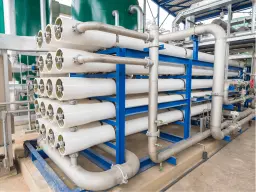
Reverse Osmosis
Semi‑permeable polyamide membranes operating at 12–25 bar reject up to 99 % of dissolved salts, silica and organic molecules, delivering low‑conductivity permeate suitable for ingredient addition, high‑purity rinsing and steam generation. Reverse osmosis (RO) systems concentrate dissolved solids in a reject stream while producing a high‑quality permeate stream; they require pre‑filtration and anti‑scalant dosing to protect membranes from fouling.
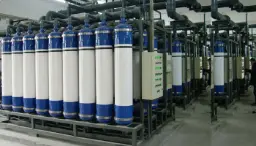
Ultrafiltration
Ultrafiltration (UF) membranes with nominal cut‑offs of 0.01–0.1 µm retain bacteria, colloids and high‑molecular‑weight organics while passing dissolved salts and small molecules. UF modules are often used as a pre‑treatment to RO or as a final clarifier for wash water recovery. Operating pressures are modest—typically 1–3 bar—and crossflow velocities are maintained to minimise fouling.
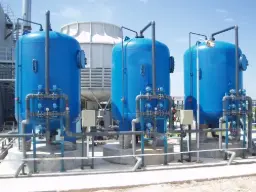
Water Softener
Sodium‑cycle cation exchange units exchange calcium and magnesium ions with sodium, thereby reducing hardness that causes scale formation on heat exchangers, boilers and spray nozzles. Softened water improves detergent performance during washing and reduces scale on pasteurisers and blenders. Regeneration is carried out with brine, and the softened water must be blended or conditioned if high sodium content is undesirable for some products.
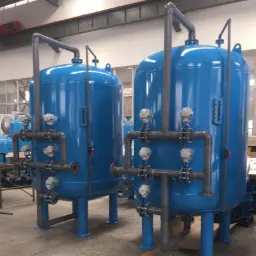
Activated Carbon Filtration
Granular activated carbon (GAC) beds adsorb organic contaminants, chlorine, chloramines and trace taste‑ and odour‑causing compounds. These filters also remove colour and some dissolved hydrocarbons, providing polish to potable water that will be used as an ingredient. Carbon filters are typically placed after particle removal stages and before membrane systems or softeners to safeguard downstream components from oxidants.
Multiple treatment stages are often arranged in series because each addresses different contaminants. Multimedia filters capture the bulk of suspended solids so that activated carbon and softeners can work effectively without clogging. Carbon beds remove chlorine and organic compounds that would foul or oxidise membranes. Softening prevents scale on RO membranes and heat exchange surfaces, while ultrafiltration provides an additional barrier to microbes and colloids. Reverse osmosis delivers low‑salinity water for ingredient use and culinary steam. Finally, UV or ozone ensures microbiological safety at the point of use. Together, these systems allow processors to customise treatment trains based on raw water quality, product requirements and regulatory demands, ensuring consistent, high‑quality water for every application across the agricultural supply chain.
Key Water-Quality Parameters Monitored
Monitoring water quality in food processing is a continuous exercise that encompasses physical, chemical and biological parameters. Operators routinely track pH because slight deviations can accelerate corrosion, impair cleaning agents or inhibit fermentation cultures. Neutral to slightly alkaline water (typical range 6.5–8.5) is generally preferred; too low pH may corrode stainless steel equipment, while too high pH can cause scaling and affect product taste. Conductivity or specific conductance is measured to estimate total dissolved solids; values in the range of 50–5 000 µS/cm reflect mineral content. High conductivity may indicate intrusion of salts or hardness that can deposit scale, while very low conductivity may hinder ingredient functionality in some baked products. Turbidity, measured in nephelometric turbidity units (NTU), must be kept low—typically less than 1 NTU—to ensure clarity and prevent harbouring of microbes in wash water. Operators also monitor residual disinfectant levels, such as free chlorine between 0.2 and 0.5 mg/L, to maintain microbial control without imparting odour. Daily checks of total coliforms and heterotrophic plate counts ensure microbial counts remain below typical thresholds of 100 CFU/mL, safeguarding against contamination.
Chemical parameters go beyond simple mineral content. Total dissolved solids (TDS) and hardness reflect the combined concentration of minerals, measured in mg/L as CaCO₃. Values below 120 mg/L denote soft water suitable for washing and rinsing; higher hardness can be tolerated in some cooling applications but may cause scaling. Total organic carbon (TOC) measures organic contamination; food processing water typically maintains TOC below 0.5 mg/L to prevent off‑flavours and fouling of membranes. Oxygen demand tests such as biological oxygen demand (BOD) and chemical oxygen demand (COD) indicate the presence of biodegradable and oxidisable matter; typical acceptable values are less than 1 mg/L for BOD and 10 mg/L for COD in potable applications. Microbiological monitoring includes testing for pathogens like E. coli, Salmonella and Listeria, where absence is mandatory. Temperature is also recorded because it influences reaction rates and microbial growth; feed water entering membranes is commonly maintained below 30 °C to protect polymeric materials. Each parameter has a control method: pH is adjusted through chemical injection, conductivity is managed by blending or demineralisation, and turbidity is addressed through filtration and coagulation. By keeping these metrics within defined ranges, processors ensure water quality consistency and regulatory compliance.
| Parameter | Typical Range | Control Method |
| pH | 6.5–8.5 | Chemical dosing with acids or alkalis, monitoring probes |
| Conductivity | 50–5 000 µS/cm | Reverse osmosis, ion exchange, blending |
| Turbidity | < 1 NTU | Multimedia filtration, coagulation, periodic backwashing |
| Residual chlorine | 0.2–0.5 mg/L | Chlorine dosing pumps, ORP controllers |
| Hardness | < 120 mg/L as CaCO₃ | Water softening, ion exchange regeneration |
| Total dissolved solids | < 500 mg/L | Reverse osmosis, blending, monitored with TDS meters |
| Total organic carbon | < 0.5 mg/L | Activated carbon adsorption, ozonation |
| Microbial count | < 100 CFU/mL (non‑pathogenic) | UV disinfection, ozone, thermal sanitation |
| Temperature | < 30 °C into membranes | Heat exchangers, cooling towers |
| BOD/COD | BOD < 1 mg/L, COD < 10 mg/L | Pretreatment, biological treatment, oxidative polishing |
A simple calculation illustrates how RO recovery influences plant water consumption. Suppose an RO unit receives a feed flow of 2.0 m³/h and produces 1.4 m³/h of permeate. Recovery is the ratio of permeate flow to feed flow multiplied by 100 %. Applying the recovery formula yields a final recovery of 70 %. This means that for every 2 m³ of water fed into the RO, 1.4 m³ becomes high‑purity permeate and 0.6 m³ exits as concentrated reject; these values guide sizing of feed pumps and concentrate disposal systems.
Design & Implementation Considerations
Designing a water purification system for an agricultural food processing facility involves careful assessment of raw water quality, end‑use requirements and regulatory expectations. Engineers begin by collecting a comprehensive water analysis that includes seasonal variations in turbidity, hardness and microbial loads. From this data, they model the treatment train, considering whether surface water needs pre‑filtration and coagulation or if groundwater requires demineralisation. The plant’s capacity and peak demands determine pipe diameters and tank volumes, while redundancy and bypass routes ensure supply during maintenance. When selecting equipment, designers match flow rates to process requirements; high‑pressure pumps for reverse osmosis are sized based on desired recovery and membrane area, whereas low‑pressure pumps suffice for carbon filters and ion exchangers. ISO 22000 and local food safety rules stipulate that materials in contact with water must be food‑grade and that hygienic design minimises dead legs and crevices where biofilms could develop.
Another key design factor is integration with existing infrastructure. Many agricultural processing plants operate batch washes, continuous blanchers and filling lines that are not easily interrupted. Thus, water treatment must provide consistent quality without bottlenecks. Engineers often employ skid‑mounted systems for ease of installation and future expansion. Automatic control systems with PLCs monitor pH, conductivity and flow, enabling real‑time adjustments to chemical dosing and filter backwash sequences. When water is used as an ingredient, blending valves mix RO permeate with filtered water to achieve desired mineral profiles for taste. The design must also consider chemical storage and dosing facilities, including bunded areas for acid, alkali and anti‑scalant tanks. Treatment waste—such as brine from softener regeneration, RO concentrate and spent filter backwash—is managed through drainage systems, neutralisation pits or reuse in non‑critical applications.
Compliance with Codex Alimentarius guidelines for potable water and national standards such as FDA 21 CFR or European Union directives shapes system design. Documentation is vital: hazard analyses must identify critical control points where water quality could deviate, and process flow diagrams must be maintained for audits. Hygienic design extends to instrumentation—inline sensors should be easily cleaned and calibratable, while sample ports must be accessible yet protected. Cleanability, maintainability and energy efficiency balance the system’s capital investment with operating costs. Many plants incorporate energy recovery devices on RO systems to reduce pumping costs or adopt variable frequency drives to modulate pump speed based on demand. In summary, thoughtful design ensures that water treatment not only meets regulatory requirements but also aligns with operational realities, delivering high‑quality water reliably over the facility’s lifetime.
Operation & Maintenance
Once installed, water purification systems require disciplined operation and routine maintenance to sustain performance and compliance. Operators start each day by checking system controls and verifying that instrumentation is calibrated. Weekly tasks often include collecting water samples for pH, turbidity and microbial analyses, ensuring that disinfectant residuals remain within setpoints such as 0.2 mg/L free chlorine. Differential pressure across multimedia and carbon filters is monitored; when it rises beyond a preset threshold, automatic backwashing or manual backwash cycles are initiated. Cartridge pre‑filters on RO units are typically replaced every 3 months, while backwash frequency for multimedia filters may be daily or weekly depending on influent turbidity. Softener regeneration cycles are scheduled based on throughput and hardness breakthrough; brine tanks must be inspected and refilled to maintain resin effectiveness.
Maintaining membrane systems requires careful attention. Operators track permeate conductivity and recovery; gradual increases suggest fouling or scaling. Chemical cleaning of RO membranes—known as clean‑in‑place (CIP)—is performed when normalised flux declines by 10–15 %. CIP solutions alternate between alkaline cleaners to remove organics and acidic cleaners to dissolve mineral scale. Membranes typically last 2–3 years in food processing environments, though high‑fouling applications may necessitate replacement sooner. UV lamps in disinfection reactors degrade over time and should be replaced annually to maintain sufficient UV dose. Ozone generators and air preparation systems require quarterly inspections to ensure that ozone concentration remains stable. Automated chemical dosing pumps for pH adjustment, anti‑scalants and coagulants should be recalibrated monthly to maintain accurate feed rates. Regular sanitation of tanks and pipework prevents biofilm build‑up; some plants schedule hot water or chemical sanitisation every quarter or as indicated by microbial monitoring.
Record‑keeping is integral to operation and maintenance. Operators maintain logs of daily readings, maintenance activities and alarm events. Trend analysis helps identify performance decline before it impacts production; for example, rising turbidity in filtered water may signal exhausted media that requires replacement. Maintenance plans also cover mechanical components: pumps need lubrication at recommended intervals, seals and gaskets are inspected for leaks, and control valves are exercised to prevent sticking. Training ensures staff understand the significance of each parameter and know how to respond to alarms. In short, disciplined operation and proactive maintenance keep water purification systems functioning reliably, protecting both product quality and equipment investment.
Challenges & Solutions
Water purification in agricultural food processing is not without difficulties. Problem: Variable raw water quality can overwhelm treatment systems, especially during rainy seasons when surface water carries high turbidity and microbial loads. Solution: Implement robust pretreatment using coagulation, flocculation and multimedia filtration, coupled with continuous turbidity monitoring and adaptive dosing controls. Problem: Biofilm formation in distribution lines threatens sterile operations and can harbour pathogens. Solution: Maintain residual disinfectant levels, schedule routine sanitisation and design piping with minimal dead legs. Problem: High hardness or silica can cause scaling on heating surfaces and membranes. Solution: Use ion exchange softening or chemical antiscalants, monitor saturation indices and adjust pH to prevent precipitation.
Problem: Water temperature fluctuations affect process efficiency and membrane performance. Solution: Install temperature controls, heat exchangers or blending to ensure feed water remains within acceptable limits for membranes and processing equipment. Problem: Energy and chemical consumption can be substantial, increasing operational costs. Solution: Optimise recovery rates, employ energy recovery devices on RO systems, and choose chemicals with high efficacy at low dosages. Problem: Managing waste streams from softener regeneration, RO concentrate and backwash water poses environmental challenges. Solution: Evaluate reuse options for reject water in irrigation or cleaning, treat waste before discharge, and comply with local effluent regulations. Through thoughtful engineering and operational strategies, these challenges can be mitigated, ensuring resilient water treatment even under fluctuating conditions.
Advantages & Disadvantages
Investing in a tailored water purification system yields numerous benefits for food processors. High‑quality water safeguards the sensory and microbiological qualities of products, enabling longer shelf life and compliance with international standards. Consistent water hardness and pH reduce wear on boilers and heat exchangers, decreasing downtime for descaling and chemical cleaning. Automated systems reduce manual interventions and provide traceability, supporting audits and recall management. Treated water also enhances efficiency of detergents and sanitisers, lowering chemical consumption and improving environmental performance. However, water treatment systems require capital investment and ongoing operational costs, from energy for pumps to replacement of membranes and media. Operators must be trained and follow stringent maintenance schedules; neglect can lead to system failure or contamination. Reject streams from RO and softeners must be managed responsibly. An awareness of both benefits and drawbacks helps businesses plan and budget effectively.
| Category | Pros | Cons |
| Product quality | Enhances flavour, colour and safety of food products; supports fermentation and formulation consistency | Over‑treatment may remove beneficial minerals requiring re‑mineralisation |
| Operational efficiency | Reduces scale and corrosion; extends equipment life; decreases downtime | High energy demand for high‑pressure processes; potential for supply interruptions during maintenance |
| Regulatory compliance | Facilitates adherence to food safety standards and certifications | Requires documentation and frequent monitoring; non‑compliance penalties can be severe |
| Sustainability | Enables water reuse and reduces chemical waste when properly designed | Generates concentrated reject streams; improper disposal can harm the environment |
| Cost considerations | Long‑term savings through reduced waste and improved yield | Significant capital expenditure; ongoing cost of consumables and skilled labour |
Frequently Asked Questions
Question: What makes water quality critical in food processing?
Answer: Water interacts with raw materials, equipment and packaging. If it contains high levels of minerals, organics or microbes, it can alter product taste, appearance and safety. Poor water quality may also damage machinery through scaling or corrosion. Ensuring appropriate purification prevents these issues and helps meet regulatory requirements.
Question: How often should reverse osmosis membranes be replaced?
Answer: In food processing applications where feed water is well pre‑treated, RO membranes typically last two to three years. Actual lifespan depends on feed quality, pretreatment effectiveness and operating parameters. Monitoring flux and conducting periodic clean‑in‑place procedures extend membrane life. When normalised permeate flow declines significantly despite cleaning, replacement is advised.
Question: Do I need both UV and ozone disinfection?
Answer: UV and ozone provide complementary benefits. UV delivers instantaneous microbial inactivation without chemicals, while ozone offers oxidation of organics and residual disinfection. Facilities that require ultra‑high purity water or produce ready‑to‑eat products often use both. The choice depends on raw water quality, regulatory standards and desired shelf life. Combining technologies increases protection but adds complexity.
Question: Can treated water be reused within the plant?
Answer: Yes, many plants design systems to reclaim water from rinsing or cooling for non‑ingredient purposes. After appropriate filtration and disinfection, reuse streams can irrigate fields, wash equipment or supply boilers. Reuse reduces freshwater consumption and lowers effluent volume. Engineers must evaluate risks, monitor quality parameters and comply with local reuse regulations.
Question: What standards govern water quality for food processing?
Answer: Internationally recognised standards include ISO 22000, Codex Alimentarius and World Health Organization guidelines for drinking water. In some regions, regulatory frameworks such as the U.S. FDA’s 21 CFR part 129 for bottled water or the European Union’s Drinking Water Directive specify acceptable limits for contaminants. Facilities may also follow industry guidelines like Good Manufacturing Practices and HACCP to ensure safety across the supply chain.
Question: How is water hardness controlled in food plants?
Answer: Water hardness is primarily managed through cation exchange in sodium‑cycle softeners. In this process, calcium and magnesium ions in feed water are exchanged with sodium ions on a resin. Regeneration with brine restores the resin’s capacity. Monitoring hardness at the outlet ensures timely regeneration. For high‑purity requirements, reverse osmosis or nanofiltration may be used instead of or in addition to softening.
Question: Why does pH adjustment matter in food processing?
Answer: Maintaining pH within the typical range of 6.5–8.5 ensures that water does not corrode equipment or interfere with product formulation. Alkalinity influences enzyme activity, fermentation and preservation processes. If pH drifts outside the desired range, acid or base dosing systems adjust it, protecting both product quality and equipment integrity.
Question: What are typical maintenance tasks for UV systems?
Answer: UV reactors require annual lamp replacement and periodic cleaning of quartz sleeves to remove fouling. Operators also monitor UV intensity sensors to verify the delivered dose. Maintaining proper flow rates and ensuring that water is clear (low turbidity) enhances disinfection effectiveness. Regular inspections and calibration maintain system reliability.