Greenhouse Water Management
Modern greenhouses depend on carefully controlled water supplies. Hydroponic culture eliminates soil, so plants must derive all nutrients and moisture from a circulating liquid medium. Greenhouse water management describes the network of pumps, filters, treatment units and monitoring instruments that condition raw water into high‑quality irrigation and fertigation solutions. The practice includes removing particulates, disinfection to control pathogens and algal spores, balancing mineral concentrations and adjusting pH. In the first phase of the process, operators evaluate the source – well, municipal supply or rainwater – and design a treatment train that reliably meets crop needs. Fertigation injection points are integrated downstream so that nutrient concentrations can be carefully regulated. A rigorous sampling and testing regime prevents plant stress from elevated sodium, chloride or hardness, and ensures that the nutrient solution remains in the narrow pH window preferred by crop roots. The goal is to deliver water that supports healthy root systems, maximises nutrient uptake and avoids scale formation or biofouling of drip emitters.
Hydroponics has become a mainstay of intensive agriculture because it offers high yields with minimal land and water footprint. However, it also increases sensitivity to water quality fluctuations. Even small shifts in electrical conductivity (EC) or dissolved oxygen can affect nutrient uptake, and excessive salt levels can quickly create toxicity in recirculating systems. Managing water quality is therefore both a scientific and an operational challenge. Growers invest in treatment infrastructure to protect crop productivity and extend equipment life. They implement filtration to remove sediments, use disinfection to prevent root diseases and adjust alkalinity so that fertilizers dissolve properly. Because hydroponic water is recirculated many times, quality issues accumulate without proper treatment. Each greenhouse must tailor its strategy to the specific crops grown, local water chemistry and regulatory requirements. The careful control of water parameters not only improves plant health but also reduces fertilizer and pesticide usage, delivering business value through more consistent yields, lower operating costs and improved product quality.
Water Treatment Systems Used
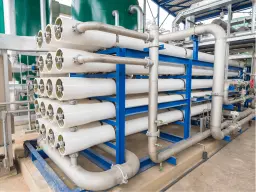
Reverse Osmosis
Semi‑permeable membranes operating at 12–25 bar reject up to 99 % of dissolved salts, silica and organics, delivering low‑conductivity permeate suitable for high‑purity hydroponic feed water. Recovery rates are typically adjusted between 60 % and 80 % to balance water savings and membrane fouling.
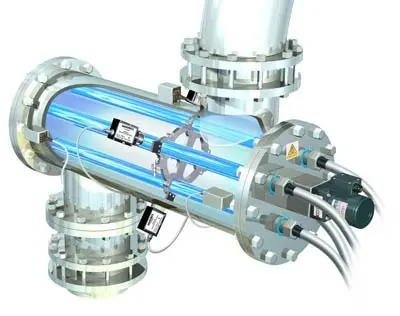
Ultraviolet (UV) Disinfection
Low‑pressure UV lamps emitting at 254 nm inactivate bacteria, fungi and viruses without chemical residues. UV systems are often sized to provide doses of 30 mJ/cm² or higher, ensuring rapid destruction of pathogens in recirculating nutrient solution and reducing reliance on biocides.
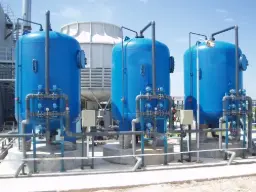
Activated Carbon Filtration
Granular activated carbon adsorbs organic compounds, chlorine and certain pesticides. In greenhouse settings it polishes water prior to nutrient dosing, preventing phytotoxicity and off‑flavours in edible crops. Units are periodically backwashed and reactivated to maintain adsorption efficiency.
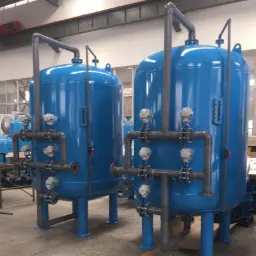
Ion Exchange
Cation and anion exchange resins are used to target specific ions such as calcium, magnesium, sodium or nitrate. Systems operate at flow rates tailored to resin capacity and are regenerated using acid or brine. They are particularly useful for softening hard water or reducing specific ions that cause nutrient imbalances.
These treatment systems work together to deliver consistent water quality. A typical greenhouse may combine media filtration to protect membranes, reverse osmosis to lower salinity, and UV disinfection to control root‑zone pathogens. Ion exchange or acid dosing addresses specific mineral imbalances, while activated carbon removes organic pollutants. By integrating multiple technologies, operators can adapt to changing source water conditions and crop stages. Treatment trains are often modular so that units can be added or bypassed as needed. Monitoring instruments feed data into control software that modulates dosing and triggers alarms. Because each system tackles a different aspect of water quality, synergy between filtration, desalination, disinfection and chemical adjustment is critical to achieve stable hydroponic conditions over long production cycles.
Key Water‑Quality Parameters Monitored
Maintaining a narrow chemical envelope is paramount in hydroponics because plants are directly exposed to the nutrient solution without soil buffering. Operators continuously monitor physical and chemical parameters to catch deviations early. The most fundamental indicator is pH, which influences nutrient solubility and uptake. Most greenhouse crops prefer a mildly acidic nutrient solution; water used to mix fertilizers should have a pH between 5.0 and 7.0, and the fertigation solution is commonly adjusted to about 5.5 so that the root environment stabilises around 6.0–6.5. Deviations outside this range can lock out micronutrients or cause toxic metal release. Another critical parameter is electrical conductivity (EC). Typical clean water has an EC of 0–0.6 mS/cm. Once fertilizers are added, fertigation solutions typically range from 1.5–2.5 mS/cm. High EC signals salt accumulation, while low EC may indicate nutrient depletion. Total dissolved solids (TDS) correlate with EC; values below 640 mg/L are generally acceptable for seedling plugs, and below 960 mg/L for mature crops. Temperature influences dissolved oxygen and nutrient availability; hydroponic solutions are often maintained between 18–24 °C so that root metabolism remains optimal and to inhibit pathogenic fungi.
Alkalinity and hardness are monitored to guide pH adjustment and prevent scale formation. Ideal total alkalinity ranges from roughly 30–100 mg/L as CaCO₃; levels above 150 mg/L can cause pH drift. Hardness, determined by calcium and magnesium concentrations, should typically be between 100–150 mg/L. Excessive hardness leads to scale deposits on emitters and heating elements, while very soft water may require supplementation to prevent nutrient deficiencies. Sodium is limited to roughly 50 mg/L to avoid toxicity; chloride is kept below about 100 mg/L. Nitrate‑nitrogen in fertigation solutions usually ranges from 50–150 mg/L ,while ammonium‑nitrogen concentrations are often kept below 75 mg/L to prevent toxicity .Micronutrients like iron are monitored to ensure they remain below 0.3 mg/L in micro‑irrigation systems to prevent clogging, but sufficient for plant nutrition. Dissolved oxygen concentration is another vital metric; aeration or oxygenation devices maintain levels above 6 mg/L to prevent root suffocation. Temperature, oxidation‑reduction potential (ORP) and turbidity complete the suite of monitored parameters. By tracking these variables, growers can adjust dosing, flushing and treatment operations to maintain optimal root‑zone conditions.
| Parameter | Typical Range | Control Method |
| pH | 5.0–7.0 for source water; fertigation solution targeted at 5.5–6.5 | Acid/base dosing systems linked to pH probes adjust alkaline or acidic spikes |
| Electrical Conductivity (EC) | Clean water 0–0.6 mS/cm; fertigation 1.5–2.5 mS/cm | Blending reverse‑osmosis permeate with raw water, diluting recirculating solution, adjusting fertilizer concentration |
| Total Dissolved Solids (TDS) | <640 mg/L for seedlings; <960 mg/L for mature crops | Desalination via reverse osmosis; regular system flushes to remove accumulated salts |
| Total Alkalinity | 30–100 mg/L CaCO₃ | Acid injection (sulfuric or phosphoric acid) reduces high alkalinity; blending with low‑alkalinity rainwater |
| Hardness (Ca + Mg) | 100–150 mg/L | Ion exchange softening for high levels; supplementation with calcium/magnesium fertilizers when too low |
| Sodium | <50 mg/L | Reverse osmosis or dilution removes sodium; avoiding regeneration of softeners with sodium chloride |
| Chloride | <100 mg/L | Membrane desalination or dilution controls chloride; monitoring to prevent foliar burn |
| Nitrate‑Nitrogen | Fertigation 50–150 mg/L | Adjust fertilizer injection rates; monitor to avoid leaching losses |
| Ammonium‑Nitrogen | Fertigation 0–75 mg/L | Balance ammonium with nitrate fertilizers; maintain pH to prevent ammonium toxicity |
| Iron | <0.3 mg/L for micro‑irrigation | Aeration and oxidation followed by filtration; sequestration of iron in chelated form for plant nutrition |
| Dissolved Oxygen | >6 mg/L | Aeration pumps, venturi injectors or oxygenation systems ensure adequate oxygen for roots |
Design & Implementation Considerations
Designing a greenhouse water treatment system begins with thorough water analysis and a clear understanding of crop requirements. A treatment train must be selected based on raw water quality, anticipated variations through the year and the sensitivity of the intended crops. ISO 22000 outlines principles for food safety management systems that can be adapted for greenhouse operations to ensure water used on edible produce meets hygienic standards. Similarly, WHO Guidelines for Drinking Water Quality provide benchmarks for microbiological and chemical contaminants that influence design decisions. Engineers consider the sizing of filters and membranes relative to peak flow demand and plan for redundancy so that maintenance or failure of one unit does not interrupt irrigation. Proper pre‑filtration protects membranes from fouling and extends their life. Designers also incorporate buffer tanks and bypass lines to accommodate fertilizer injection points and to stabilise flow and pressure.
Treatment equipment should be selected with materials compatible with fertilizers and cleaning chemicals. For example, stainless steel and high‑density polyethylene resist corrosion from acids used to adjust alkalinity. Instrumentation must include high‑accuracy pH, EC and ORP sensors with temperature compensation. Programmable logic controllers (PLCs) or industrial PCs collect sensor data, regulate dosing pumps and issue alarms. Integration with greenhouse climate control systems allows coordination between water temperature and air temperature to prevent plant shock. Standards such as Codex Alimentarius and national regulations inform choices for backflow prevention, cross‑connection control and disinfectant residuals. In some jurisdictions, reclaimed water reuse is encouraged, requiring additional barrier steps like ozonation and UV disinfection. The design also addresses brine management from reverse‑osmosis systems by including drain connections or evaporation basins that comply with environmental discharge limits. Finally, the layout must facilitate accessibility for maintenance personnel and ensure safe chemical handling, providing spill containment and ventilation for storage rooms.
Operation & Maintenance
Routine operation of a greenhouse water management system involves continuous monitoring and proactive intervention. Operators must log sensor readings, verify dosing rates and inspect equipment for wear. Weekly calibration of pH and EC sensors prevents drift and ensures dosing accuracy. Automated systems may perform cleaning cycles on filters based on differential pressure, but human oversight is still required to inspect backwash effectiveness. Regular cross‑checks compare online readings with grab samples analysed in the laboratory to validate instrumentation. Fertilizer injection pumps are calibrated against flow meters to maintain nutrient ratios. Disinfection systems, whether UV lamps or ozone generators, require periodic checking of intensity or ozone concentration. A pre‑defined 0.5 mg/L free chlorine residual is sometimes used as an indicator in systems using sodium hypochlorite dosing, although this is less common in hydroponics. The nutrient solution reservoir should be inspected for sediment accumulation and cleaned to prevent biofilm buildup.
Maintenance tasks follow manufacturer recommendations and are essential to extend equipment life. Media filters are backwashed when pressure drop exceeds 50 kPa; the spent backwash water is collected and treated or reused. Reverse‑osmosis membranes undergo chemical cleaning when permeate flux declines by more than 15 % or permeate conductivity rises; cleaning sequences often include alkaline and acidic steps at 80 °C maximum temperature. UV lamps are replaced after reaching their rated operational hours, and quartz sleeves are cleaned monthly to remove deposits that attenuate UV transmission. Ion exchange resins are regenerated according to throughput and monitored for exhaustion by tracking breakthrough of hardness or specific ions. Carbon filters are replaced or regenerated based on throughput or pressure drop. Pumps and valves are greased and inspected; seals and gaskets are replaced to prevent leaks. Keeping a detailed maintenance log assists in predicting wear patterns and scheduling component replacements before failures occur. Because greenhouses operate continuously, many tasks are scheduled outside irrigation periods to avoid disruption.
Challenges & Solutions
High‑intensity greenhouse operations bring unique challenges that stem from recirculation, variable feedwater quality and biological activity.
Problem: Scaling and fouling are recurrent in systems using hard or high‑alkalinity water. Carbonate and sulfate salts precipitate on heaters, emitters and reverse‑osmosis membranes, restricting flow and increasing energy consumption.
Solution: Installing pre‑treatment using ion exchange softeners or acid injection reduces scaling tendencies; routine cleaning with weak acids dissolves deposits. Operators also monitor saturation indices and adjust recovery rates to keep membranes below critical flux.
Problem: Biofouling and root pathogens can rapidly spread through recirculating nutrient solutions. Algae, bacteria and fungal spores colonise pipelines and emitters, reducing flow and contaminating crops.
Solution: Continuous disinfection with UV, ozone or hydrogen peroxide controls microbial populations; periodic sanitisation of tanks and equipment prevents biofilm formation. Maintaining dissolved oxygen levels above 6 mg/L discourages anaerobic pathogens.
Nutrient management poses another challenge in hydroponic systems.
Problem: Ion imbalances can develop as plants selectively uptake nutrients, altering the ratio of nitrate to ammonium or calcium to magnesium. Accumulated sodium or chloride from evaporation or fertilizer impurities can also reach toxic levels.
Solution: Regular monitoring of EC and ion concentrations guides the partial or complete replacement of recirculating solution; blending with reverse‑osmosis permeate resets salinity. Using high‑purity fertilizers and avoiding sodium‑based water softeners also minimise unwanted ions.
Problem: Equipment failure or power outages jeopardise water supply, leading to rapid wilting and crop loss.
Solution: Implementing redundancy in pumps and power systems, installing uninterruptible power supplies for control systems and designing gravity‑fed emergency irrigation lines increases resilience.
Problem: Disposal of concentrated brine from reverse‑osmosis systems is regulated and can be costly.
Solution: Recovery strategies include reusing brine for salt‑tolerant ornamental plants, evaporating water in greenhouse heating systems or utilising municipal brine disposal services. By anticipating these issues and integrating preventive measures into the design and operation, greenhouse operators maintain consistent water quality and crop health.
Advantages & Disadvantages
Investing in comprehensive water treatment and conditioning delivers numerous benefits to greenhouse operations. Properly managed water promotes vigorous root development, enhances nutrient uptake and reduces the incidence of diseases. Consistent pH and salinity levels allow growers to fine‑tune nutrient formulations and achieve uniform growth, leading to higher yields and better product quality. Treatment systems also protect infrastructure; filtered and softened water prevents emitter clogging and scale formation in boilers and heating systems, reducing maintenance costs. Disinfection protects against pathogens, lowering reliance on pesticides and fungicides. When integrated with automation, water management reduces labour demands and provides immediate feedback for corrective action. At a broader scale, efficient water use reduces environmental impact by minimising discharge of nutrient‑laden effluent and lowering overall water consumption. These advantages translate into economic gains through stable harvests, improved resource use and compliance with food safety standards.
Despite these benefits, there are disadvantages that must be considered. Capital expenditures for reverse‑osmosis units, UV systems and advanced monitoring equipment can be significant, particularly for small growers. Operating costs include energy for pumps and compression, chemical consumables and periodic membrane replacement. The complexity of treatment trains requires skilled personnel to operate and maintain them; training and labour may represent an ongoing expense. Concentrated brine from desalination systems poses disposal challenges and can increase environmental footprint if not properly managed. Additionally, over‑treatment – for example producing water with extremely low mineral content – can lead to nutrient deficiencies and requires careful blending with raw water. Balancing these factors is crucial when designing a water management strategy.
| Aspect | Advantage | Disadvantage |
| Water Quality | Supports vigorous plant growth, reduces disease pressure, and improves nutrient uptake | Over‑treatment can strip essential minerals, requiring careful blending and supplementation |
| Infrastructure Protection | Prevents scale formation and emitter clogging, extending equipment life | Requires upfront investment in filters, softeners and membranes |
| Resource Efficiency | Allows recirculation, reduces water and fertilizer consumption, lowers environmental discharge | Generates concentrated brine that must be disposed of responsibly |
| Operational Control | Enables precise dosing and real‑time adjustments, reducing labour | Demands skilled operators and robust instrumentation to avoid errors |
| Yield and Profitability | Results in uniform growth, higher yields and consistent product quality | Capital and operating costs may reduce short‑term profitability for small operations |
Frequently Asked Questions
Question: What makes greenhouse water management different from traditional irrigation?
Answer: Greenhouse operations, especially hydroponics, recirculate nutrient solutions rather than applying water to soil. This closed loop increases sensitivity to parameters like salinity and pH because there is no soil buffer to absorb excess salts or neutralise acidity. Water quality must therefore be closely monitored and conditioned before use. Treatment systems remove particulates and pathogens, adjust mineral content and disinfect the solution. These practices ensure that the water meets the specific needs of crops in a controlled environment.
Question: Why is reverse osmosis commonly used in greenhouse water treatment?
Answer: Reverse osmosis membranes reject most dissolved salts, hardness ions and organic contaminants, producing low‑conductivity permeate that serves as a blank slate for mixing nutrient solutions. It is particularly useful when raw water contains elevated sodium, chloride or other ions that can accumulate in recirculating systems. By blending RO permeate with a measured fraction of raw water, growers can achieve the desired mineral balance. While energy intensive, the technology offers precise control over water chemistry and reduces the risk of salinity‑induced plant stress.
Question: How often should a hydroponic nutrient solution be replaced?
Answer: The replacement frequency depends on crop uptake rates, system volume and water quality. Many growers partially replace the solution every one to two weeks to maintain nutrient balance and prevent the accumulation of unwanted ions. Complete replacement may be scheduled every three to four weeks or when electrical conductivity trends upward despite dilution. Regular monitoring of pH, EC and individual ion concentrations guides these decisions. Replacing too infrequently can lead to toxicity, while replacing too often wastes water and nutrients.
Question: What are the signs of poor water quality in a greenhouse system?
Answer: Symptoms of poor water quality include clogged drip emitters, scale buildup on heating elements, slimy biofilms in pipes, and unusual odours from reservoirs. Plant symptoms may include leaf chlorosis, tip burn, stunted growth or root browning. Rising EC or pH readings, as well as elevated sodium or chloride levels in water tests, signal accumulating salts. Algal growth in tanks often indicates insufficient disinfection or excessive light exposure. Addressing these signs promptly with corrective actions helps prevent crop loss.
Question: How is water disinfection managed without harming beneficial microbes?
Answer: Disinfection aims to inactivate pathogenic organisms while preserving beneficial microbial communities that may aid nutrient cycling. Ultraviolet and ozone systems provide rapid inactivation without leaving residuals that could harm beneficial organisms. Operators adjust exposure doses to achieve microbial control while minimising oxidative stress to plants. In some cases, microbial inoculants are added after disinfection to re‑establish a healthy root microbiome. Continuous monitoring of microbial indicators helps balance pathogen suppression and microbiome health.
Question: Is rainwater suitable for hydroponic systems without treatment?
Answer: Rainwater often has low mineral content and may contain fewer contaminants than surface or groundwater. However, it typically has low alkalinity and a slightly acidic pH, which can lead to instability when mixed with fertilizers. Rainwater collection surfaces can introduce organic debris or microbial contamination. Therefore, filtration and disinfection are recommended before using rainwater in hydroponic systems. Supplementing rainwater with calcium and magnesium may also be necessary to support plant nutrition.
Calculation Example
A common performance metric for reverse osmosis systems is recovery. Suppose a greenhouse RO unit processes a feed flow of 5.0 m³/h and produces a permeate flow of 4.0 m³/h. Using the recovery formula Recovery = (Permeate ÷ Feed) × 100, the recovery is 80 %.