Oil and Grease Separation
In the automotive industry, production lines use vast volumes of water to wash metal components, cool machining operations, test engines, and clean paint booths. These processes generate wastewater containing lubricating oils, hydraulic fluids, grease residues, metal fines, detergents, solvents, and other contaminants that arise from cutting, stamping, assembly, and finishing operations. To prevent the release of harmful hydrocarbons into the environment and enable water reuse, automotive plants deploy oil and grease separation systems that extract hydrophobic materials from process streams. The core principle involves exploiting density differences between oils and water to separate free and emulsified oil phases, allowing purified water to be reused in the plant or discharged safely. Efficient separation protects downstream biological treatment units from fouling, minimises chemical consumption, and maintains regulatory compliance.
This separation process delivers significant business value because it lowers fresh water consumption, reduces wastewater charges, and safeguards brand reputation by demonstrating environmental stewardship. Automotive manufacturers operate under strict discharge limits for oil and grease, often around 10 mg/L in effluent, and must also manage biochemical oxygen demand (BOD), chemical oxygen demand (COD), total suspended solids (TSS), and heavy metals. Raw wastewater from assembly lines can show pH levels between 4 and 8 depending on cleaning chemicals, BOD in the range of 60 to 320 mg/L, COD from 200 to 1 000 mg/L, and oil and grease concentrations from 150 to 700 mg/L in typical light‑vehicle operations. Without treatment, emulsified oils coat surfaces and inhibit oxygen transfer in receiving waters, leading to ecological harm and fines. Water‑treatment systems intervene after the production lines but before biological treatment units, using gravity separation, coalescing media, flotation, membranes, and polishing filters to remove oils and greases. Selecting appropriate separation technology involves assessing wastewater flow, temperature, emulsion stability, space constraints, and compliance targets, ensuring that automotive facilities can maintain stable operations while meeting environmental obligations.
Related Products for Oil and Grease Separation
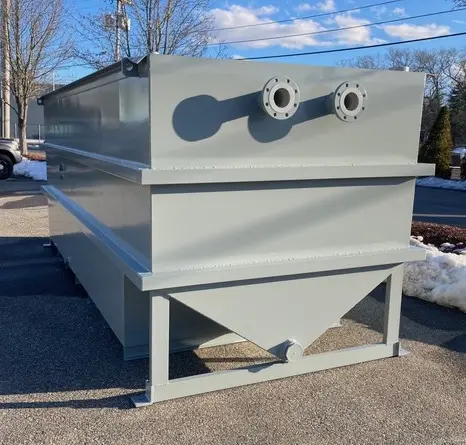
API Gravity Separator
This classic gravity‑based separator uses long rectangular tanks where oily wastewater flows slowly, allowing free oil droplets to float to the surface due to density differences. Adjustable weirs skim the collected oil, while heavier solids settle to a sludge hopper. API separators are robust and suitable for large flows but require a relatively large footprint and are less effective on emulsified oils.
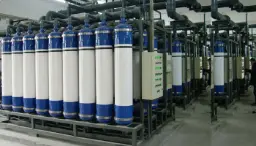
Ultrafiltration
Ultrafiltration modules utilize semi‑permeable membranes to physically separate emulsified oils, grease, and large organic molecules from water. Under moderate transmembrane pressure, clean permeate passes through while oily contaminants concentrate in the retentate. Ceramic or polymeric modules can handle high temperatures and chemical cleaners commonly used in automotive washing, producing permeate suitable for reuse in spray booths.
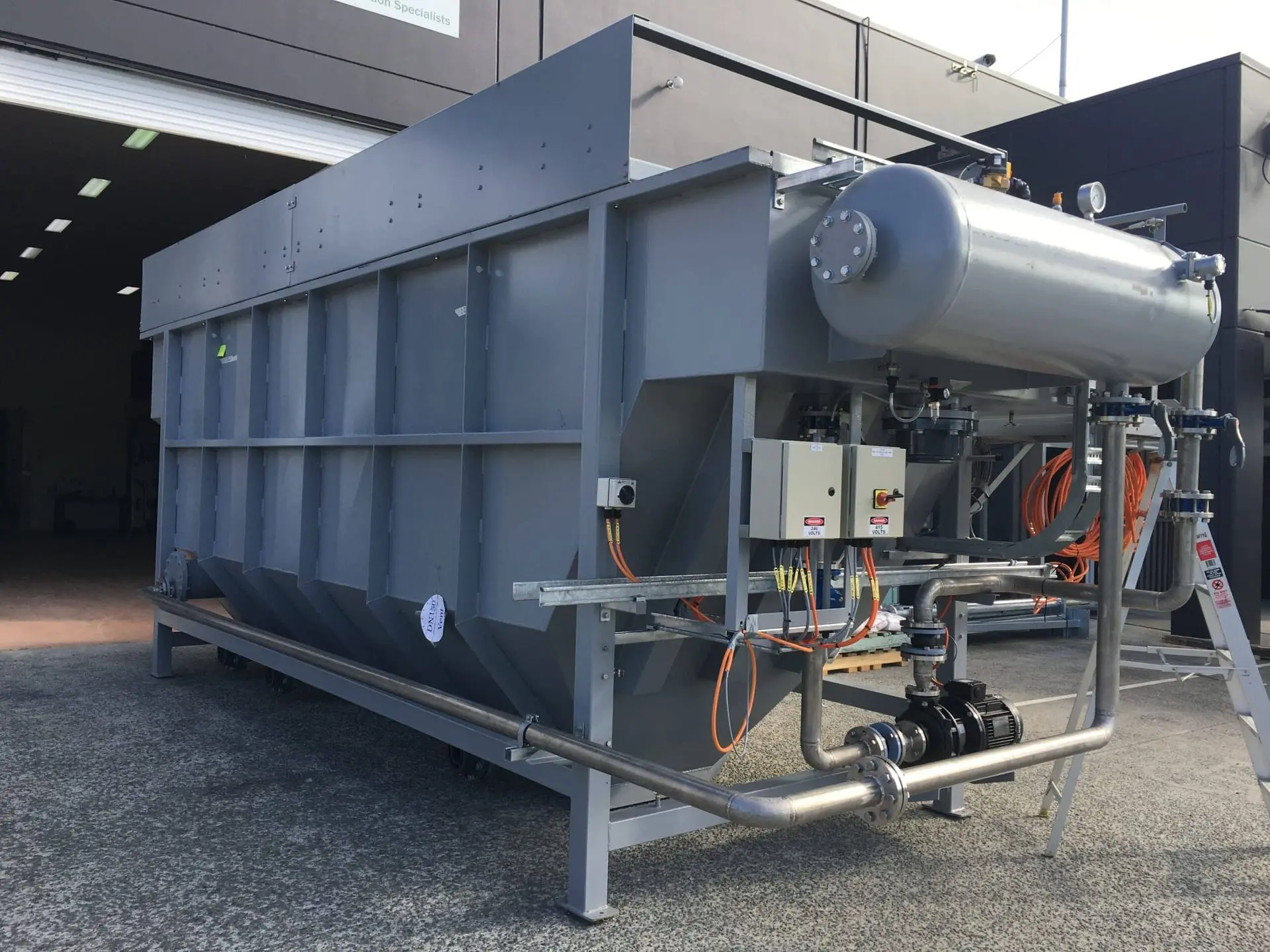
Dissolved Air Flotation (DAF)
DAF systems inject fine air bubbles into wastewater to attach to suspended oil droplets and solids, lifting them to the surface for removal by skimmers. Chemical coagulation and flocculation agents enhance the agglomeration of emulsified oils and fine particulates, allowing DAF units to handle challenging emulsions and high solids loadings. Their flexibility and high removal efficiencies make them popular in paint booths and final rinse operations.
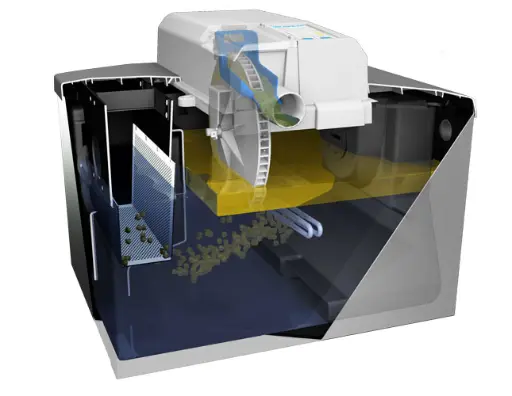
Skimming and Grease Traps
Skimmers and grease traps capture floating oil layers from equalization tanks or sumps before the water reaches sensitive equipment. Mechanical belt skimmers continuously remove free oil for offsite recovery, while passive grease traps rely on flow control baffles to retain floating oils. Although simple, these devices play a vital role in preventing clogging and reducing the load on advanced separators.
These systems collectively form the backbone of oil and grease removal in automotive manufacturing. Each technology addresses a specific challenge: API separators and coalescing plates handle free and dispersed oils, DAF removes emulsified oils and fine solids, membranes polish the effluent to reuse quality, and skimmers provide frontline defence. Choosing the right combination depends on wastewater characteristics, plant footprint, and reuse goals. Effective integration ensures that separated oil can be recycled or disposed of responsibly, while treated water can be returned to high‑pressure washers or cooling circuits. By combining physical, chemical, and membrane techniques, automotive facilities achieve discharge targets reliably, improve water‑reuse ratios, and maintain uninterrupted production.
Key Water-Quality Parameters Monitored
Monitoring a suite of water‑quality parameters is essential to optimise oil and grease separation and maintain stable operations. One of the most critical indicators is pH, because the stability of oil emulsions and performance of coagulants depend on it. Automotive wastewater may have pH values ranging from slightly acidic at 4.2 when acidic cleaners are used to alkaline levels near 8.5 during soap rinsing. Operators typically adjust pH to a neutral range between 6.0 and 8.0 before separation using acid or base dosing systems. Temperature also influences separation efficiency; higher temperatures reduce oil viscosity and improve flotation but may damage membranes if they exceed typical limits of 30 °C to 40 °C. Regular measurement of conductivity (usually between 300 and 1 500 µS/cm) helps detect dilution by tap water or accumulation of dissolved salts, which can hinder downstream treatment.
Oil and grease concentration is measured as n‑hexane extractable material; typical influent levels from light‑vehicle operations vary from 150 to 700 mg/L, while heavy‑vehicle maintenance can produce concentrations as high as 800 mg/L. Final effluent is expected to meet discharge limits around 10 mg/L. Turbidity and total suspended solids (TSS) indicate the presence of metal shavings, paint flakes, and dirt; values may start at 100 to 500 mg/L and must be reduced below 30 mg/L. Biochemical oxygen demand (BOD) and chemical oxygen demand (COD) provide insights into the organic load; typical BOD values from automotive cleaning range from 60 to 320 mg/L, while COD may vary from 200 to 1 000 mg/L depending on solvent usage. Maintaining a BOD/COD ratio above 0.3 implies that biological treatment will be effective downstream. Dissolved oxygen (DO) measurements within equalization tanks ensure that anaerobic conditions do not develop, which could cause odour and corrosion; DO is usually kept above 2 mg/L.
Monitoring heavy metals such as zinc, copper, and chromium is also important because metal machining fluids can introduce these contaminants. Regulatory limits often require concentrations below 2 mg/L for zinc and even lower for chromium. Total petroleum hydrocarbons (TPH) measurements help distinguish between polar and non‑polar oil fractions; typical discharge limits are around 15 mg/L. Temperature‑corrected conductivity and oxidation‑reduction potential (ORP) sensors can help detect surfactant loads and antioxidant consumption. Finally, periodic microbiological tests ensure that reused water does not harbour pathogens that could affect worker safety. Automating data collection with SCADA systems and calibrating sensors regularly improves reliability and supports corrective actions when deviations occur.
| Parameter | Typical Range | Control Method |
| pH | 6.0 – 8.0 (neutralized); raw wastewater 4.2 – 8.5 | Acid/alkali dosing using automatic pH controllers |
| Oil and Grease | Influent 150 – 700 mg/L; effluent ≤ 10 mg/L (typical limit) | Gravity separation, coalescing plates, DAF, skimming |
| BOD | 60 – 320 mg/L | Biological treatment after oil removal; aeration and nutrient control |
| COD | 200 – 1 000 mg/L | Coagulation/flocculation followed by DAF or membranes |
| Total Suspended Solids (TSS) | 100 – 500 mg/L influent; < 30 mg/L effluent | Sedimentation, filtration, sludge removal |
| Conductivity | 300 – 1 500 µS/cm | Bleed and replenish cycles to control salt buildup |
| Dissolved Oxygen (DO) | ≥ 2 mg/L in equalization tanks | Aeration using blowers or mixers |
| Temperature | 20 – 30 °C recommended; peaks 40 °C | Heat exchangers, cooling loops |
| Heavy Metals (e.g., Zn, Cr) | < 2 mg/L (Zn), < 0.5 mg/L (Cr) | Precipitation with hydroxides, ion exchange |
| Turbidity | 20 – 100 NTU in effluent | Filtration and coalescing units |

Design & Implementation Considerations
Designing an oil and grease separation system for an automotive plant involves a detailed evaluation of wastewater characteristics, production schedules, available space, and compliance requirements. Engineers start by quantifying the peak and average flow rates, which can range from 5 to 100 m³/h depending on the size of the facility and whether it includes body shop operations, engine assembly, and paint shops. They must accommodate surges when multiple wash bays discharge simultaneously and ensure equalization tanks dampen these variations. The sizing of separators is influenced by Stokes’ Law, which relates particle settling or rising velocity to density differences, fluid viscosity, and droplet size; designers typically target the removal of droplets as small as 50 µm for gravity units and down to 10 µm for coalescing or flotation systems. Engineers also assess the composition of oils – whether they are mineral lubricants, synthetic hydraulic fluids, or machining coolants – because emulsion stability dictates the need for emulsion breakers or pH adjustment.
Compliance with environmental and quality standards guides equipment selection. Automotive plants often certify under ISO 14001 environmental management and ISO 9001 quality management frameworks, both of which emphasise controlled processes, documentation, and continual improvement. Local regulations, such as the European Water Framework Directive or national discharge permits, dictate allowable concentrations of oil, BOD, COD, and metals. Where reuse in washing or cooling circuits is intended, water quality targets may align with ISO 4406 cleanliness classes for oil‑containing fluids, requiring very low particle and oil counts. Designers should incorporate redundancy and bypasses to maintain separation efficiency during maintenance; dual DAF units or modular membrane skids provide flexibility. Integrating automated instrumentation for pH, conductivity, flow, and oil concentration with plant SCADA systems enables real‑time control and alarming. Material selection is another critical aspect; oily wastewater may contain solvents, acids, and high temperatures, so stainless steel or coated carbon steel is used for tanks and piping, while membranes are selected to resist fouling.
Spatial constraints in an automotive plant can influence whether to choose compact coalescing units or larger gravity separators. For example, retrofitting a confined paint shop might favour a skid‑mounted DAF unit with chemical dosing modules, while new installations can allocate outdoor space for API separators with concrete basins. Designers must also consider sludge and separated oil handling: sludge hoppers need access for pumpout trucks, and separated oil must be collected for recycling or disposal in compliance with hazardous waste regulations. Instrumentation loops should include failsafe designs to prevent chemical over‑dosing; pH controllers might incorporate interlocks that pause acid dosing if the flow stops. The selection of coagulants (typically aluminium or iron salts) and polymers depends on wastewater composition and desired floc characteristics, determined through jar testing and pilot studies. Finally, integration of water‑recycle loops into the overall plant process requires careful cross‑contamination analysis to ensure that reused water does not adversely affect product quality or equipment lifespan.
Operation & Maintenance
After commissioning, the performance of oil and grease separation systems hinges on disciplined operation and preventative maintenance. Operators monitor flow rates, adjust valve positions, and ensure chemical dosing systems are functioning. When coagulants or polymers are used, correct dosing is crucial; an overdose can increase sludge volume, while an underdose reduces separation efficiency. Operators calibrate pH and oil sensors weekly, verifying that readings correspond to laboratory analyses. Influent flow is balanced using equalization tanks, and pumps are sequenced to avoid shocks to separators. Temperature and viscosity control is also important; heat exchangers or cooling loops prevent water from exceeding 40 °C, which might emulsify oils or damage membranes.
Maintenance intervals depend on equipment type. API and coalescing plate separators require routine removal of accumulated oil, typically on a weekly schedule, to prevent re‑entrainment. Skimmers may need belt or tube inspection and replacement every six months. DAF units require periodic cleaning of saturators and diffusers to prevent fouling; bubble size and distribution should be checked monthly. Membrane systems follow manufacturer‑specific cleaning regimes; for example, backwashing is usually performed daily or after a set volume of treated water, while chemical cleaning with alkaline and acidic solutions may occur every 30 days when transmembrane pressure rises. Grease traps need to be emptied when the retained oil reaches 25 % of their volume, often every two weeks in busy workshops. Lubrication of mechanical components, inspection of seals, and verification of control valves should follow a planned maintenance schedule aligned with the plant’s overall asset management system.
Process control strategies improve reliability. Supervisory systems track key performance indicators such as oil removal efficiency, sludge solids content, and polymer consumption, triggering alerts when values drift. Trend analysis can reveal early signs of emulsion formation due to changes in detergent usage or product formulations, allowing operators to adjust pH or chemical dosing proactively. To maximise water reuse, operators often blend permeate with fresh water and monitor conductivity and hardness to maintain equipment performance. Sludge generated from oil separation is dewatered using filter presses or centrifuges; proper conditioning with polymers is necessary to achieve cake solids of 20 %–30 %, reducing disposal costs. Staff training is vital to ensure that operators recognise abnormal conditions, adhere to safety protocols when handling chemicals, and perform sampling correctly. By following defined procedures and adjusting to process variations, automotive plants can sustain high oil removal efficiencies and protect downstream biological treatment units.
A simple calculation can illustrate retention time for an oil‑water separator. Suppose a coalescing plate separator is designed to treat 30 m³/h of oily water, and the available volume in the separation chamber is 15 m³. The retention time ttt is determined by t=VQt = \frac{V}{Q}t=QV. Using the provided values, the retention time is 0.5 hours, or 30 minutes, which ensures enough time for oil droplets to rise and coalesce under typical conditions.
Challenges & Solutions
Even well‑designed oil and grease separation systems face operational challenges in automotive manufacturing. Problem: Variability in wastewater composition occurs when different production areas discharge simultaneously, causing sudden spikes in oil concentration and surfactant loading. Solution: Installing equalization tanks and programming flow‑balancing pumps evens out loading, while online sensors can adjust coagulant dosing in real time. Problem: Emulsified oils created by detergents and high‑shear pumps resist separation in gravity‑based units. Solution: Emulsion breakers, pH adjustment, and chemical coagulation with metal salts followed by DAF or membrane filtration effectively destabilize emulsions and enable removal. Problem: Sludge disposal costs can become significant when large volumes of sludge are produced from oil removal systems. Solution: Dewatering sludge using filter presses or centrifuges and optimising coagulant dosage reduce sludge volume; separated oil can be reclaimed or used as fuel in waste‑to‑energy processes.
Problem: Fouling of coalescing media and membranes by suspended solids and biological growth reduces efficiency and increases maintenance frequency. Solution: Installing pre‑filters and performing scheduled cleaning of coalescing plates prevent buildup; membrane fouling is mitigated by selecting appropriate materials (e.g., ceramic ultrafiltration) and implementing regular backwash cycles. Problem: Corrosion and chemical attack on tanks and piping can occur due to acidic or solvent‑laden wastewater, compromising equipment integrity. Solution: Using corrosion‑resistant materials such as stainless steel, coating interior surfaces, and maintaining neutral pH protects infrastructure. Problem: Operator errors in chemical dosing and system adjustments can lead to compliance breaches. Solution: Comprehensive training, standard operating procedures, and automated dosing controls with interlocks reduce human error. Problem: Surges in production demand may exceed separator capacity. Solution: Designing modular systems with flexible capacity, such as parallel DAF units, and implementing contingency plans for temporary storage or partial discharge to third‑party treatment facilities ensure continuity. Addressing these challenges proactively enhances the resilience of oil and grease separation processes and supports sustainable automotive manufacturing.
Advantages & Disadvantages
Investing in oil and grease separation systems yields multiple advantages for automotive factories. Water reuse lowers freshwater intake, reducing operating costs and conserving regional water resources. Removal of oils before biological treatment protects microbes from toxicity and improves downstream performance, facilitating compliance with discharge permits that often require oil and grease levels below 10 mg/L. The recovery of separated oils can generate revenue if recycled into lubricants or sold as secondary fuel. Effective separation also reduces the risk of regulatory penalties and fosters a positive corporate image, which is increasingly important for automakers committed to sustainability. Moreover, capturing oils prevents foul odours, corrosion, and safety hazards associated with slippery floors in plant areas. At the same time, there are disadvantages to consider. Capital investment for API separators, DAF units, and membranes can be substantial, especially when retrofitting existing facilities. Operation requires skilled staff and continuous monitoring; chemical usage and sludge disposal add ongoing costs. Equipment occupies floor space, which may be scarce in busy production areas. Emulsion breaking may require hazardous chemicals, necessitating careful handling and storage. Finally, if maintenance is neglected, separation efficiency deteriorates, potentially leading to environmental incidents.
| Pros | Cons |
| Enables water reuse, reducing consumption and discharge volumes | High initial capital cost for separators, DAF units, and membranes |
| Enhances compliance with discharge limits for oil, BOD, COD, and metals | Ongoing operational costs for chemicals, energy, and skilled labour |
| Protects downstream biological treatment and reduces fouling | Requires regular maintenance, cleaning, and sludge management |
| Recovers oils for recycling or energy use, generating secondary revenue | Occupies valuable floor space and requires integration with existing layouts |
| Improves workplace safety by preventing slippery floors and odours | Emulsion breaking chemicals may pose health and safety risks |
Frequently Asked Questions
Engineers and plant managers often raise practical questions when implementing oil and grease separation in automotive plants. One frequent question is how to choose between gravity separators, coalescing plates, DAF, and membranes. The answer depends on wastewater composition, desired effluent quality, available space, and operational complexity; free oils can often be removed with gravity units, while emulsified oils and fine solids require DAF or membranes. Another common inquiry concerns how oil and grease concentrations are measured. Standard methods use n‑hexane extraction and gravimetric analysis to quantify oils; regular sampling and online monitoring are important for process control. Plant managers also ask about regulatory limits; typical discharge permits require oil and grease levels below 10 mg/L, BOD below 50 mg/L, and COD below 125 mg/L, but local regulations should always be consulted. Questions about maintenance frequency are also frequent. Skimmers, weirs, and sludge hoppers should be checked weekly, chemical dosing systems calibrated at least monthly, and comprehensive inspections of separators conducted quarterly.
Operators sometimes wonder whether emulsified oils can be separated without chemicals. In many cases, emulsions require pH adjustment and coagulants to destabilize; however, warm temperatures and extended retention times can also aid separation. Concerns about what to do with separated oil are addressed by noting that recovered oil can be sent to licensed recyclers, blended into low‑grade fuels, or used as a resource in energy recovery systems. Another question involves the impact of detergents and degreasers. These surfactants stabilize emulsions and must be carefully selected or limited; process adjustments such as reducing detergent concentration, switching to biodegradable products, or implementing pre‑rinses can improve separation. Finally, many ask whether oil and grease separation systems can be scaled to small service bays or large factories. Modular technologies allow flexibility, from small skid‑mounted units for individual wash bays to large integrated systems for entire assembly plants, ensuring that automotive manufacturers of all sizes can achieve effective oil management.